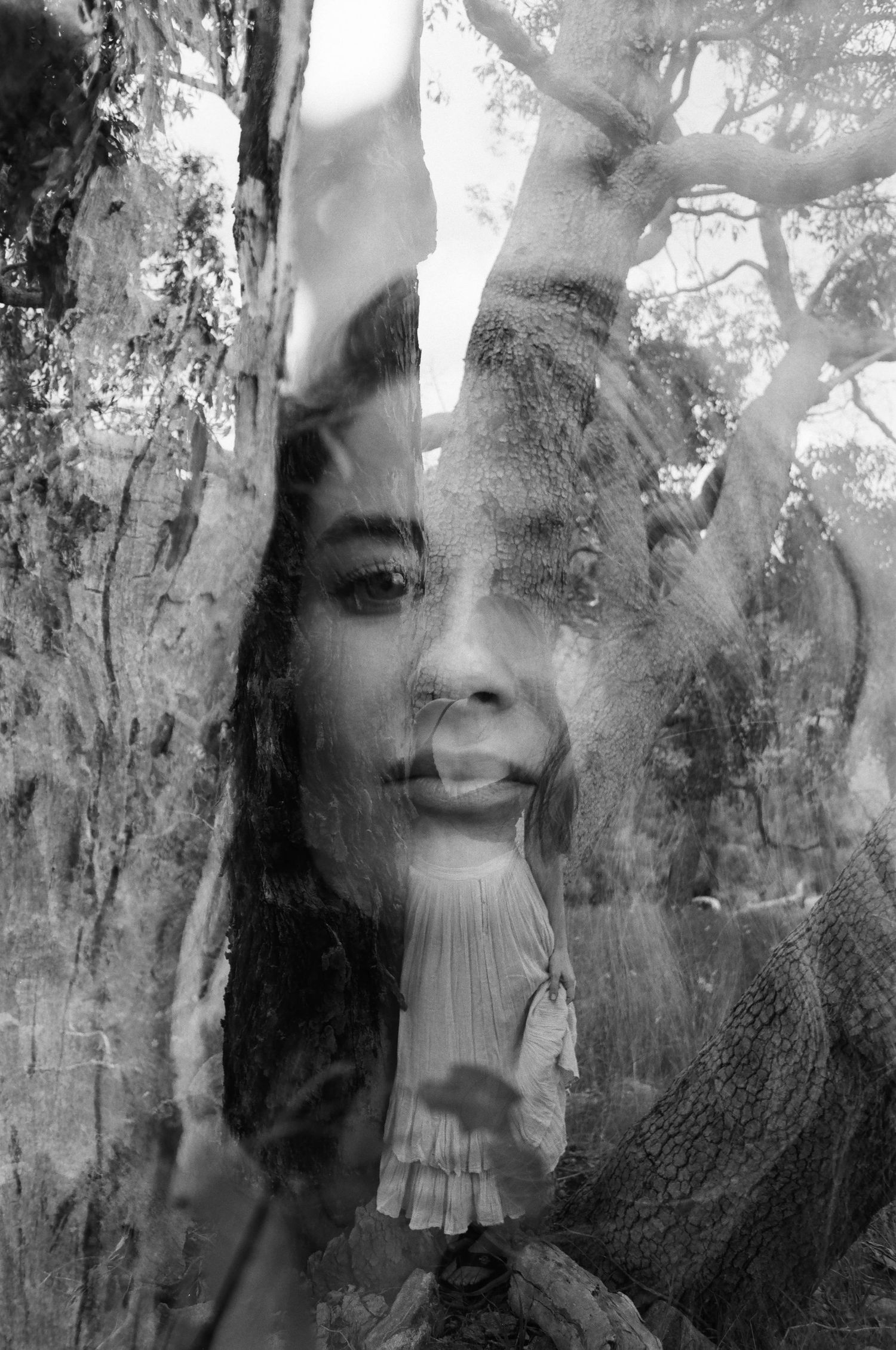
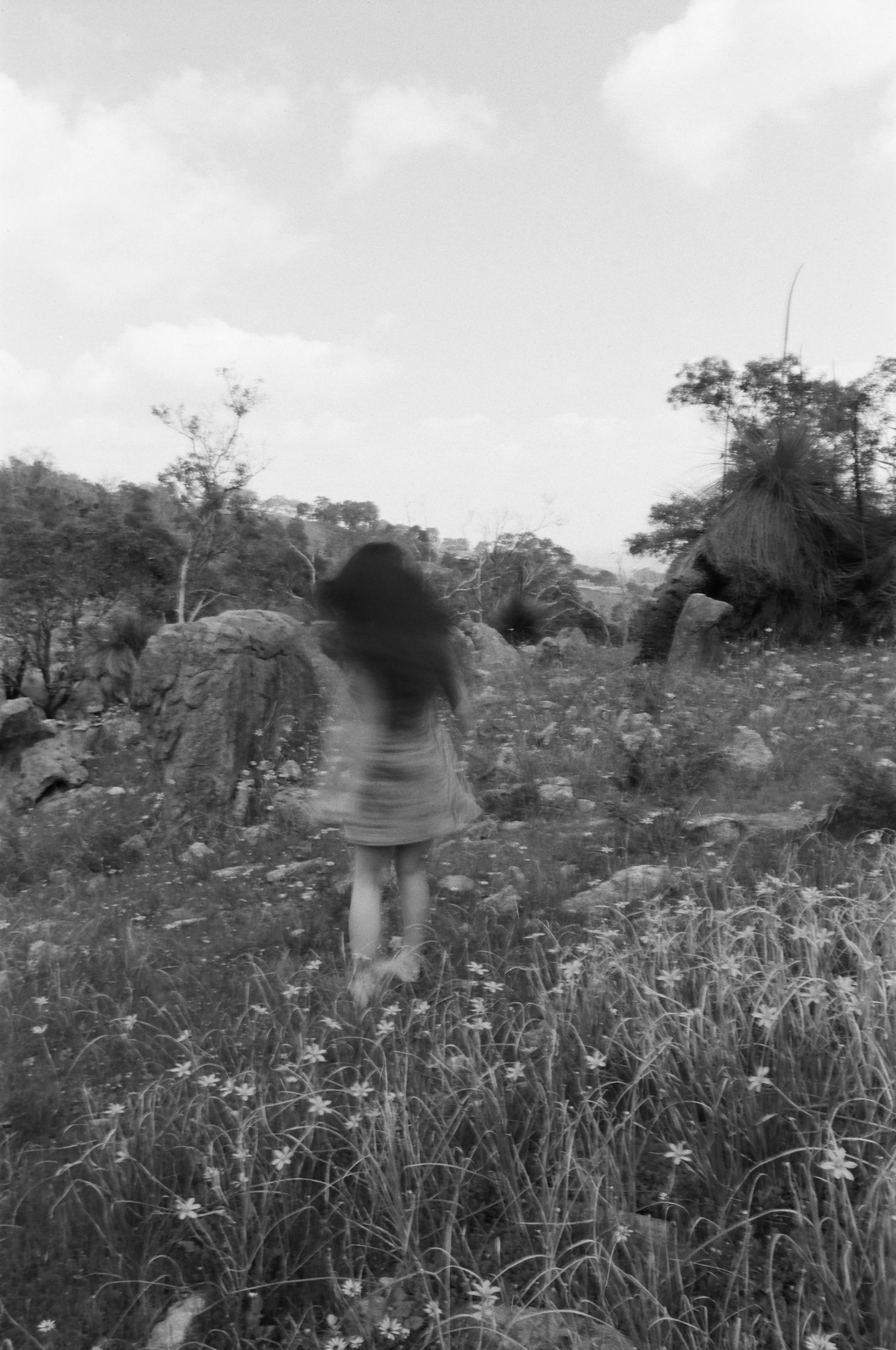
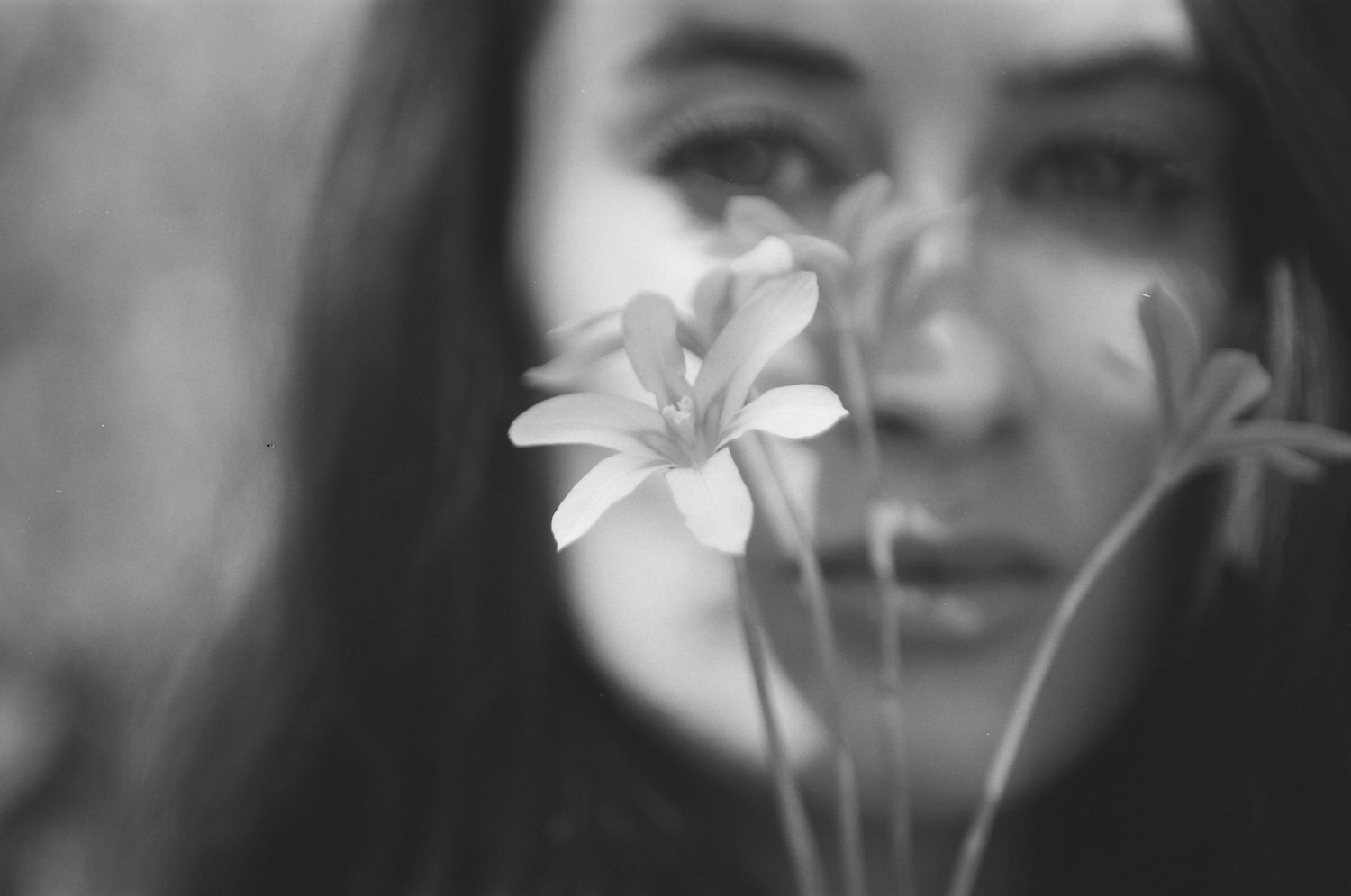
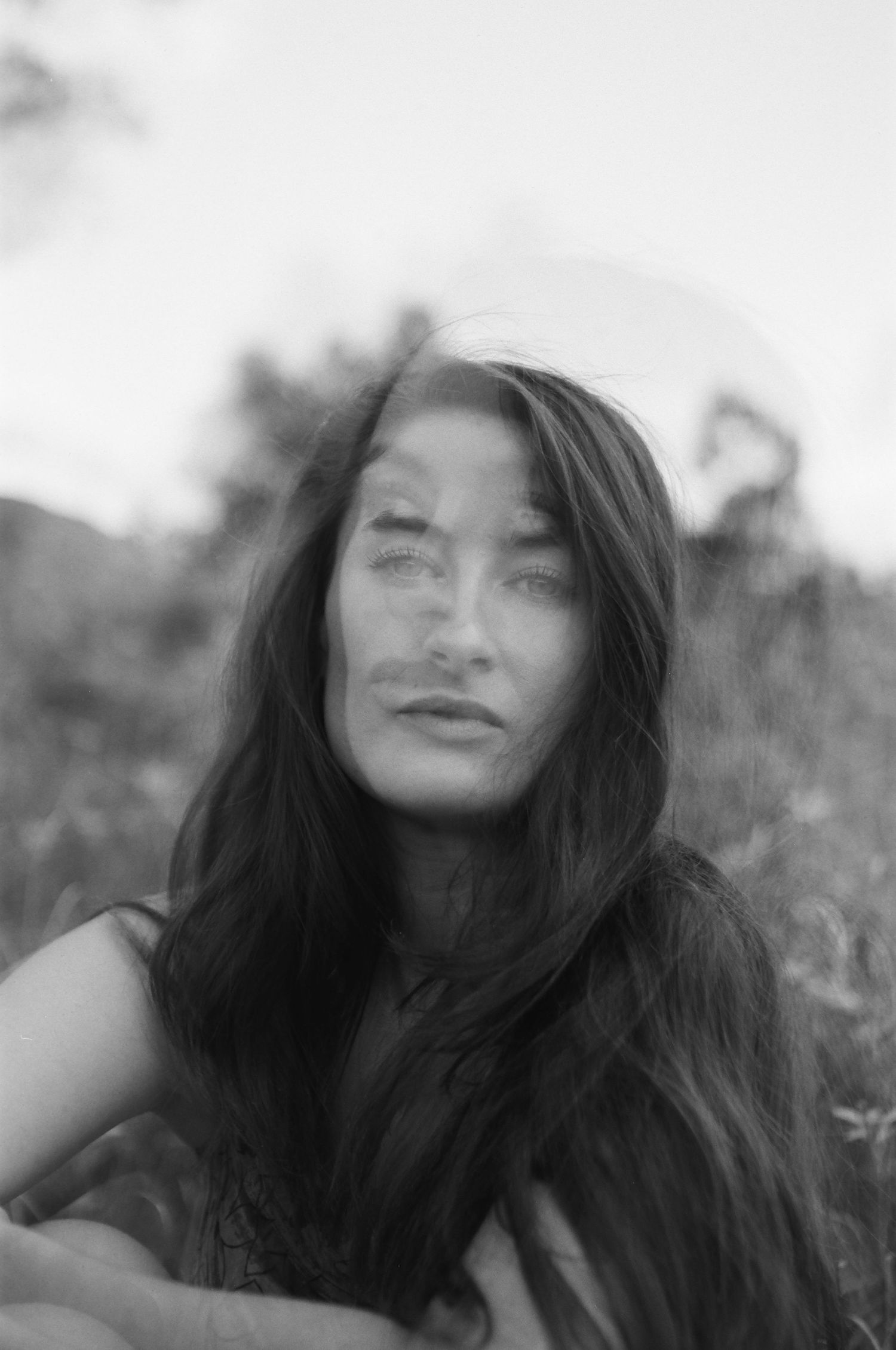
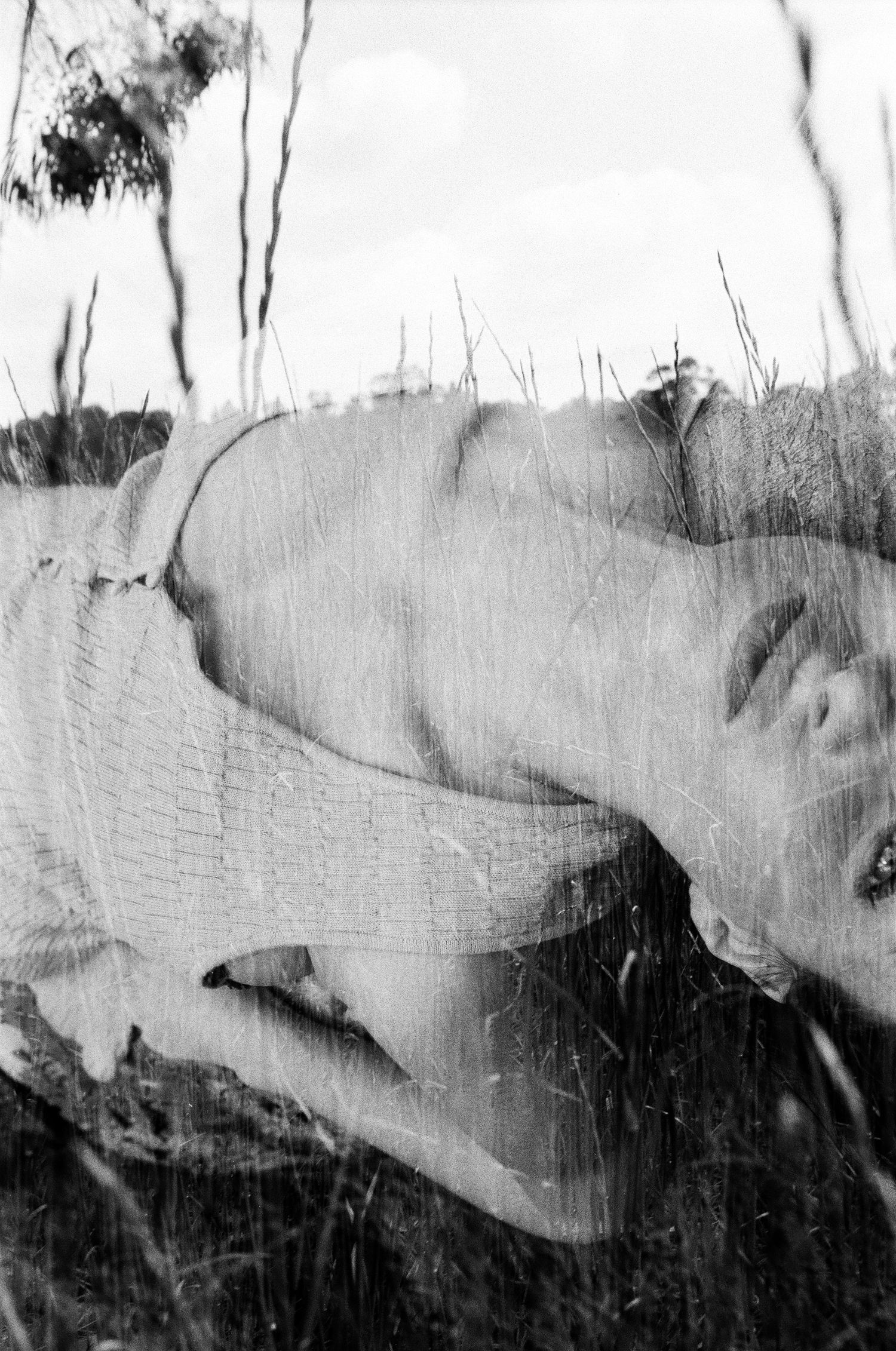
Holding space is at the heart of how I approach portrait sessions across Fremantle and Perth — creating an environment where people can arrive fully as themselves. It’s a series of small choices I make before, during, and after a session so the person in front of my lens feels safe and seen. In practice, this means clear consent, a slow beginning, and permission for whatever shows up. It looks like explaining what will happen, asking how someone is feeling, and checking in more than once.
I learned to do this by noticing what changed when people
were offered simple kindness and room — not necessarily on photoshoots, but in life. As a trauma survivor and neurodivergent woman, I know that I need gentleness and nurturing. A few years ago, when I learned to communicate more clearly, I started speaking differently. I began to communicate from a place of compassion, and that’s something I bring into every shoot.
Early on, I tried to fix people, as a way of "fixing" myself. Now, I listen first, guide in small steps, and let silence do some of the work. A relaxed session is never just about lighting or pose. It’s about the space between directions, the time I allow for breath, and the quiet that lets a face settle.
Before a shoot, I always meet with my model or client. I
take time to get to know them so we both feel connected. We talk a little about our lives, where we’re at, and what we hope to bring into the session. Together, we set an intention for our time.
Depending on the type of shoot, I make sure the space is
warm and comfortable. I’ll put the music on low or turn it off, depending on what feels best for the person. If we’re outdoors, I bring an extra jacket, sarong, or towels if we might get wet — small things that help people feel looked after.
When someone arrives, I start with a hug and a conversation, not a camera. I ask where they’re at, how they’re feeling, and offer a simple consent check-in. I say things like, “If something feels off, let me know,” or
“You can stop at any time,” or “If you want more direction, just tell me.” That line, spoken once, gives permission to both of us to be human.
From there, I use short prompts, soft encouragement, and
pockets of silence so the session can find its own rhythm. I like to guide in a natural, intuitive way.
Sometimes emotions may rise unexpectedly; grief, tenderness, relief. When that happens, I pause and hold space for it. I don’t rush to capture the moment or fill the quiet with words. I give it room to unfold, to be felt, to breathe.
That said, most of my sessions feel light and relaxed. We’re usually chatting, laughing, and moving freely — just two women enjoying being outside, being present, being real. The space naturally invites ease, which means when deeper emotions do surface, they’re met gently and without pressure. It’s never heavy, only honest.
Photography has a way of touching the quiet parts of us, the
things we carry but rarely show. My job is not to control what happens, but to create safety around whatever does. I’ve learned that tears can exist in the same space as laughter, and that both are welcome. Often, those are the moments
that stay with people the longest — not because they were perfect, but because they were real.
Holding space also means knowing where my own edges are. To show up fully for others, I have to care for my own energy first. Before shoots, I take a few minutes to ground myself. Sitting quietly, arriving in my body, taking a few deep breaths.
After sessions, I like to take time to debrief and release whatever energy I’ve held. Sometimes that looks like going for a walk, having a little shake, or simply sitting in stillness. These small rituals help me come back to myself, especially after sessions that carry emotional weight.
At the same time, photographing always energises me. Even after long days, I often leave feeling full — grounded, alive, and grateful. There’s something about creating in that shared, honest space that reminds me why I love this work.
I’ve learned that empathy doesn’t mean absorbing everything.
It means being present without losing myself in the process. When I honour my boundaries, I can hold space with more steadiness and compassion.
For many of the women I photograph, the act of being seen, really seen, can be deeply healing. The session becomes more than just a creative process; it becomes an act of self-care.
So many of us have learned to shrink ourselves, to apologise for taking up space, to see our bodies only through the lens of comparison. My photography sessions offer a different way of seeing, one that invites acceptance, softness, and presence.
When someone lets themselves be photographed, they’re not performing. They’re arriving. The session becomes a space to reconnect with the body, to feel safe being witnessed, and to remember that there’s beauty in the ordinary. We come home to ourselves.
Whether I’m photographing by the ocean in Walyalup (Fremantle) or in the quiet of someone’s home, the intention remains the same — to create space where presence can unfold naturally.
My hope is that when someone leaves a session with me, they feel more grounded in who they are. Not because I’ve directed them into a certain version of themselves, but because they’ve had space to be exactly as they are.
The images become reminders that we don’t have to force or fix anything to be worthy of being seen.
Holding space is about creating that reminder, both in front of the lens and behind it. It’s about trust, slowness, and the small gestures that say: you are safe here, I got you.